






 Share Story


HESBAN — The town of Hesban hosted on Thursday the Hesban Heritage Festival at the Princess Basma Centre, bringing together local associations, international scholars, and community members for a series of presentations, performances, and reflections on cultural preservation.
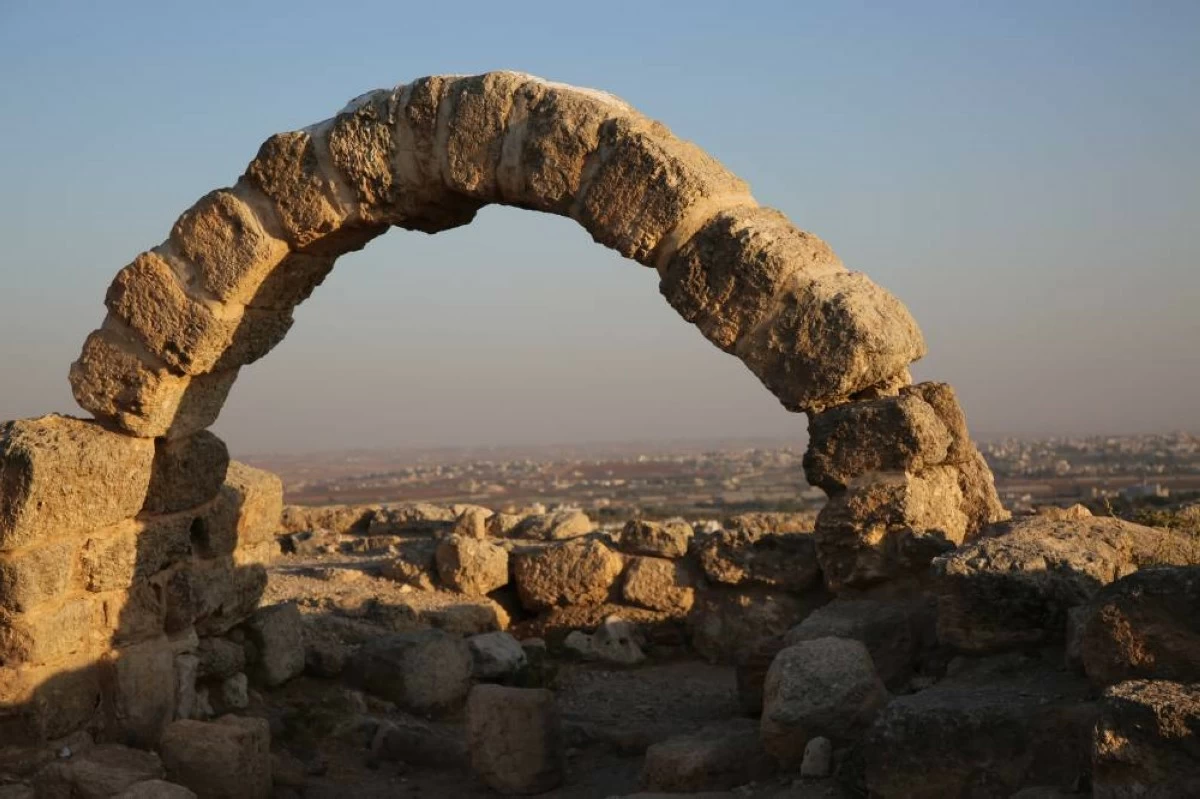
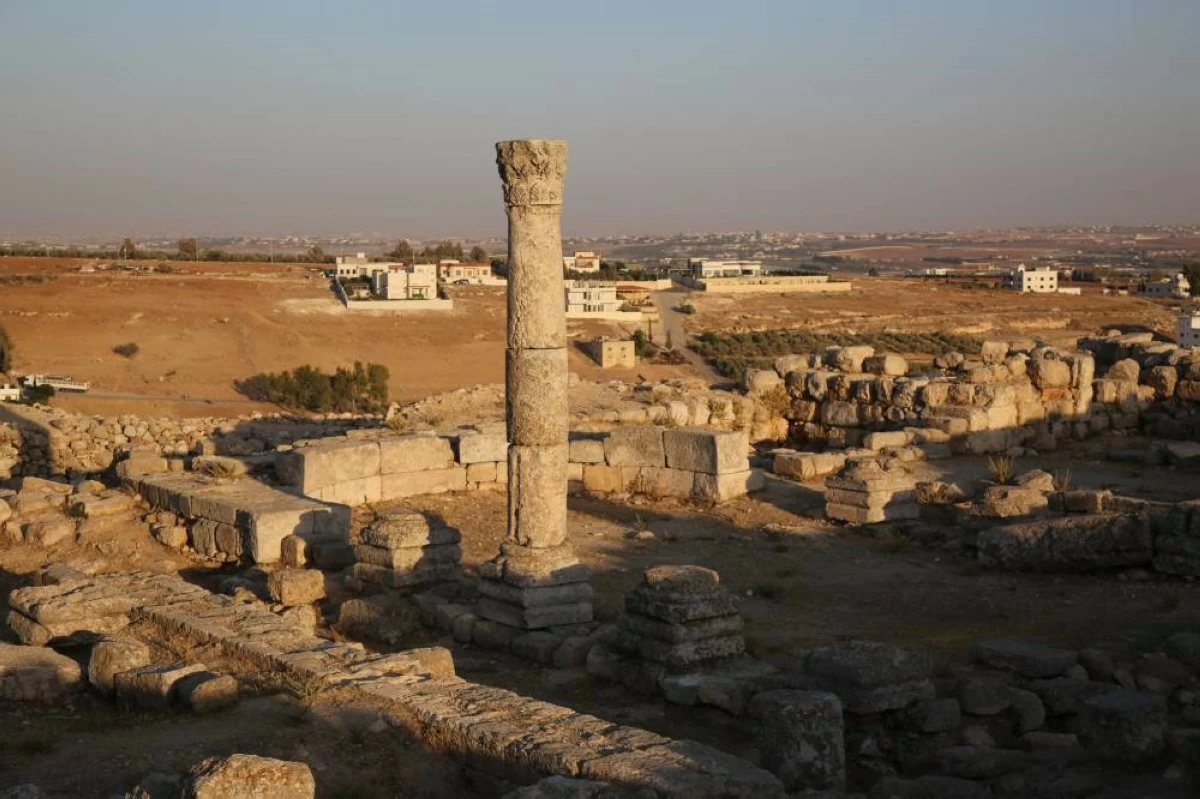
Organised as the culmination of several seasons of archaeological work and community engagement, the event highlighted the ongoing partnerships between the residents of Hesban and researchers from Andrews University. This collaboration is rooted in over five decades of excavation and heritage work at Tell Hesban, a site occupied since the Bronze Age and continuously studied since the 1960’s.
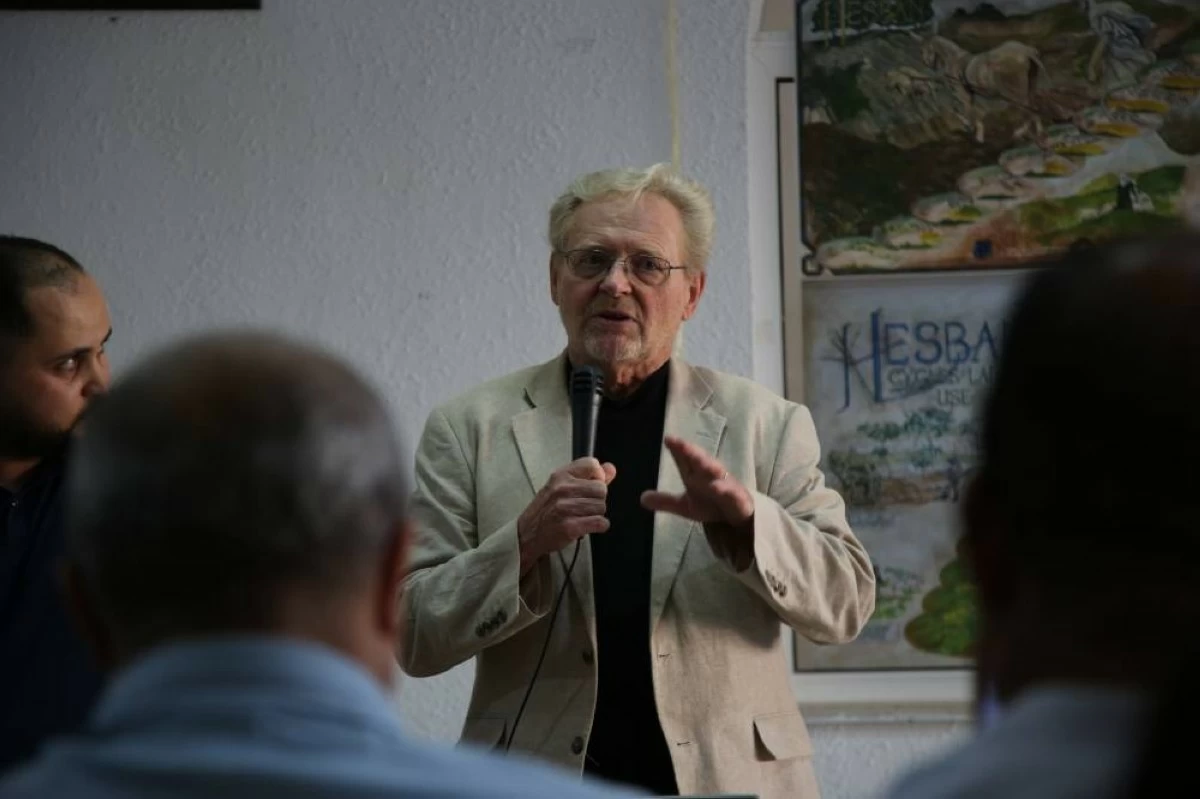
The Festival started with academic contributions from the Andrews University team, led by Øystein LaBianca, a long-standing figure in Jordanian archaeology.
“We want to end this ‘take and leave’ type of archaeology, and instead strive for engagement archaeology,” LaBianca said during his address. “A work rooted in the participation and employment of local families and the sharing of findings with the community.” He emphasised that the project, initially launched to investigate the Biblical identity of Hesban, has evolved to focus on cultural sustainability.
Hesban and the Decapolis : new research raising questions
One of the key presentations at the festival explored a growing hypothesis : Could Hesban have functioned as part of the ancient Decapolis network ?
Research by Spencer Chase, Nicole Lombard, Laurel Renner and Julia Whitcomb compared Hesban to the ten Graeco-Roman cities that make up the traditional Decapolis.
The Decapolis was a group of ten cities in the southeastern Levant that flourished during the Greco-Roman period, known for their shared Hellenistic culture, language, architecture, and relative autonomy under Roman rule. Located mainly in present-day Jordan, with some in modern Syria and Palestine, these cities —such as Jerash (Gerasa), Amman (Philadelphia), and Umm Qais (Gadara)— served as regional centers of trade, governance, and Greco-Roman culture in a predominantly Semitic environment.
The research aimed to understand how Hesban fits geographically, aligns structurally and culturally within the cities traditionally included within this network. Being a city of the Decapolis meant enjoying an increased autonomy and political status, as well as serving as a hub for culture, wealth and trade.
In addition to Hesban’s geographic proximity to the other Decapolis cities, the researchers examined its urban features.
In the context of Greek and Roman city planning, the Decapolis cities shared a “set” of architectural and urban features, including elements like an Acropolis, public temples, city walls, and other structures that were not just functional but symbolic of the city’s identity.
Most Decapolis cities had a majority of these elements – Pella had the fewest at 6, and Jerash had the most at 10. Hesban, according to the comparative studies, matches 8 out of 10 common features found in Decapolis cities – a number equal to the average among the group.
While Hesban is not traditionally included in the Decapolis, archaeological evidence seem to place it well within the cultural and structural framework of these cities. Moreover, the site of Hesban was continuously occupied during the Roman and Byzantine periods, aligning with the era in which the cities of the Decapolis flourished.
These findings support the idea that Hesban may have functioned in a manner similar to Decapolis cities.
“Data suggest that Hesban could have played a similar role in the region,” highlighted the team. “It raises new questions about regional identity and the definition of what it means to be part of the Decapolis.”
Preserving the Past : Legacy project
In another presentation, Melani Dubon and Nathalie Gonzalez introduced the Legacy Project, an initiative to digitise and preserve data collected during earlier excavation seasons. Using handwritten field notes from 1976 totaling over 50,000 words, the students transcribed and processed archival material to make it publicly accessible.
“It is a huge effort, but one that is essential for long-term preservation,” Dubon said. “We are taking outdated systems and giving them new life through digitization.”
The event concluded with a photography exhibition and a traditional dance performance, celebrating both academic progress and living heritage. The Hesban Heritage Festival underscored the importance of collaboration between international institutions and local communities, not only to document the past, but to make it part of the present.
