


Documentary chronicles the decline of downtown Amman’s cinema Kawakeb

AMMAN — The lights have gone out at Cinema Kawakeb, one of Amman’s iconic theatres, marking the slow disappearance of communal cinema in Jordan.

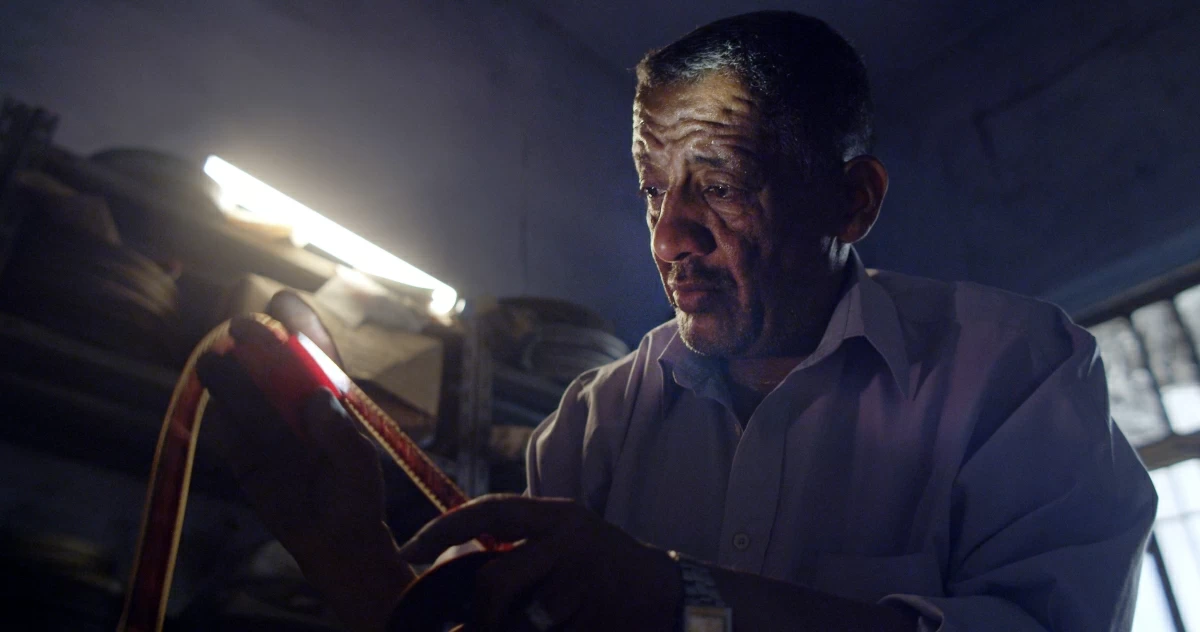
“For me, Cinema Kawakeb was one of downtown Amman’s liveliest places, families lining up from the door to the street to watch black-and-white films rich with story, atmosphere and imagination,” said Youssef Jaber, a cinema operator who has worked in projection booths across Jordan for nearly five decades.

“The cinema is in our blood. It is history and heritage,” he added.

Jaber, who began working in cinemas in the mid-1970s and has operated in 22 theatres across the Kingdom, speaks of Kawakeb with the kind of affection that comes from a lifetime behind the projector.

He recalls Fridays when crowds filled the aisles and when going to the movies meant an evening of connection for the whole family.

Today, Kawakeb’s metal shutters remain down.

The closure dates back to the COVID-19 pandemic and, according to Jaber, stems from a dispute between the two brothers who own the building. “One brother has the license and does not want to reopen, the other wants to,” he said. “If they solve their differences, the cinema can reopen.”

The shuttered entrance drew the attention of filmmaker Mahmoud Al Massad, who spent years documenting Cinema Kawakeb. His new documentary, Cinema Kawakeb, which premiered at Doclisboa and later screened at IDFA, has since attracted international attention.

Massad spent four years filming inside the cinema and on the stairs outside, documenting daily life around the building. But the film goes beyond a record of the cinema’s closure. It portrays the slow death of the theatre: a dispute between its owners, combined with limited investment, has prevented its reopening since the pandemic.

The staff who once operated the projector now stay on as informal security guards, he said.

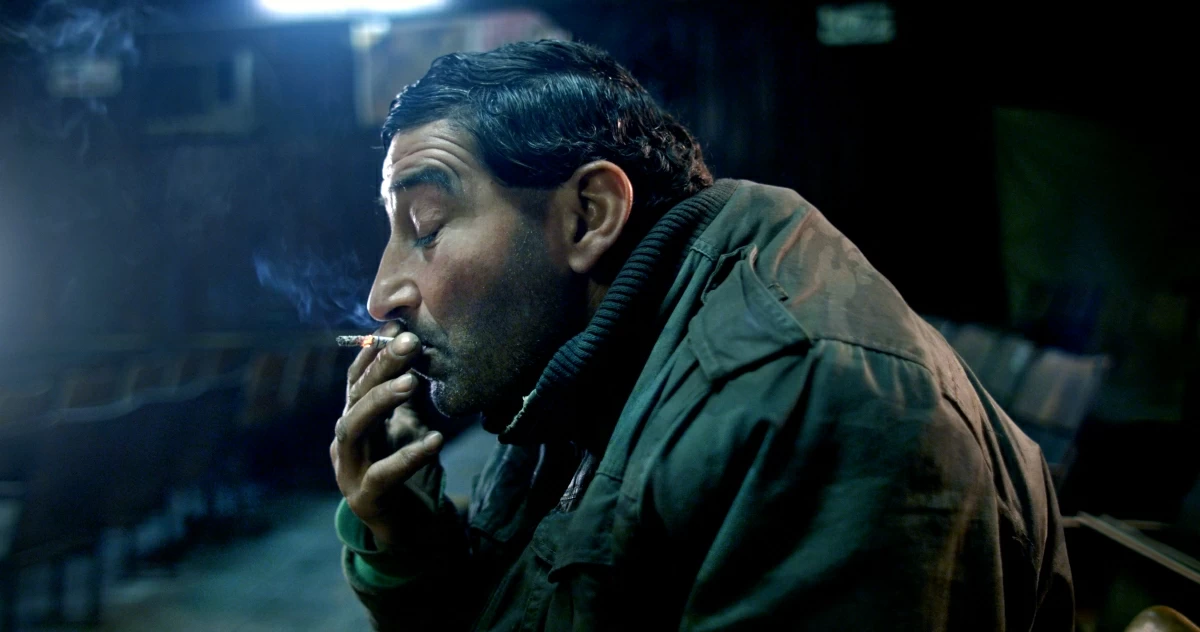
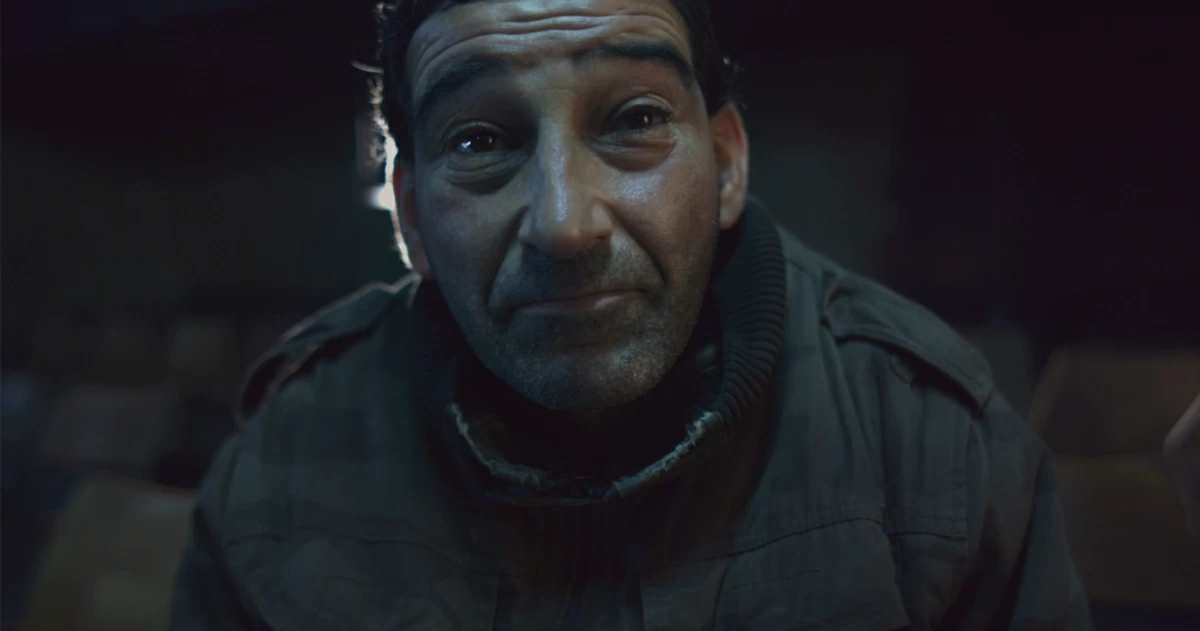
The documentary also follows Hussein, a homeless man who has made Kawakeb part of his daily routine. “He sells old items he finds in downtown Amman. As soon as he gets three or four dinars, he goes to the cinema, watches half a film because he always falls asleep, takes a shower, and has a sandwich and a drink. This is his life,” Massad said.

Throughout the film, Massad highlights the filmmaking process itself, revealing casting decisions, the call of “action!”, and the steps of editing and colour correction. The result is a reflection on the challenges of making a documentary under difficult circumstances.

Drawing from more than 200 hours of footage, the film captures the human density of a fading cultural space and the looming disappearance of cinema as a shared experience.

The political context is also present, with the Palestinian issue, which directly affects Jordan, appearing throughout the narrative.

Massad explained that the crew filmed consistently both inside the cinema and on the stairs leading up to it, recording the surrounding neighbourhood day after day. “We were always there,” he said. “When the Gaza war began, the marches coming from Al Husseini Mosque passed in front of the cinema, and they naturally became part of what we were filming.”

Looking ahead

After its festival run, Massad hopes the film will screen in Jordan, possibly at the Amman Film Festival or through a partnership with the Royal Film Commission, which supported the project.

“We have so many stories to tell from our region,” he said.

“Documentaries are important. When the world looks at the news, this is the hottest spot on the planet, because of the war in Gaza, the war in Iraq and the complexities of the region. We should make more films about our lives, our history, and the changes happening here.”

.col-lg-12.second .opinion-widget{border-top:1px solid #D0D0D0;} #widget_1623 .opinions-title {font-size:32px;} #widget_1623 .opinions-title a{font-size:32px;} .first-author{ background-color:#ecedef; } .first-opinion-author-name{ background-color:white; width:max-content; padding:5px; }
.epaper-separator{ height: 1px; width: 100%; background-color: #D0D0D0; margin: 15px 0; }

Today’s Paper

.related-articles .article-widget-sm .article-title{font-size:16px;-webkit-line-clamp:3;} .related-articles .layout-ratio{padding-bottom:55%;}
.alert-success { color :#A3656F ; } .alert-danger { color : red ; } .footer { font-family:Myriad Pro,Arial; } .newspaper-footer{ visibility:hidden; } .socialFixOuter { position: fixed; top: 50%; margin-top: 40px; right: 0; transition: .2s; z-index: 20; height: 217px; width: 40px; } .socialFix { height: 30px; width: 30px; display: block; position: relative; cursor: pointer; background-size: 18px 18px; transition: .2s; background-position: center; background-repeat: no-repeat; border-radius: 2px; margin-top: 1px; } .socialFix:hover { width: 40px; margin-left: -10px; } .app-badge-img { height: 36px; width: auto; } @media (max-width: 768px) { .app-badge-img { height: 32px; } .app-badges { justify-content: center !important; } }
document.addEventListener("DOMContentLoaded", function () { const socialFix = document.querySelector(".socialFixOuter"); if (!socialFix) return; let firstInteraction = false; let hideTimeout = null; function checkMobileScreen() { if (window.innerWidth < 768) { socialFix.style.display = "none"; } else { socialFix.style.display = "block"; } } checkMobileScreen(); window.addEventListener("resize", checkMobileScreen); function handleFirstInteraction() { if (firstInteraction) return; if (window.innerWidth < 768) return; firstInteraction = true; socialFix.style.right = "-25px"; } socialFix.addEventListener("mouseenter", function () { if (window.innerWidth < 768) return; if (hideTimeout) clearTimeout(hideTimeout); socialFix.style.right = "0"; }); socialFix.addEventListener("mouseleave", function () { if (window.innerWidth < 768) return; if (hideTimeout) clearTimeout(hideTimeout); hideTimeout = setTimeout(() => { socialFix.style.right = "-25px"; }, 500); }); ["click", "touchstart"].forEach((evt) => { socialFix.addEventListener(evt, handleFirstInteraction); }); }); function validateEmail(email) { if (email.length > 255) return false; const emailRegex = /^[a-zA-Z0-9._%+-]+@[a-zA-Z0-9.-]+\.[a-zA-Z]{2,}$/; if (!emailRegex.test(email)) return false; if (email.includes('..') || email.startsWith('.') || email.endsWith('.')) return false; return true; } function sanitizeInput(input) { input = input.replace(/<[^>]*>/g, ''); input = input.replace(/javascript:/gi, ''); input = input.replace(/on\w+\s*=/gi, ''); input = input.replace(/[<>"'&(){}[\]]/g, ''); return input.trim(); } document.addEventListener('DOMContentLoaded', function () { function showModal(message, type) { const messageContainer = document.getElementById("messageContainerFooter"); messageContainer.textContent = message; messageContainer.className = `alert alert-${type} mt-3`; messageContainer.classList.remove("d-none"); setTimeout(() => { messageContainer.classList.add("d-none"); }, 5000); } document.getElementById("emailFormFooter").addEventListener("submit", function(event) { event.preventDefault(); const emailInput = document.getElementById("emailFooter"); const email = sanitizeInput(emailInput.value.trim()); if (!validateEmail(email)) { showModal('Invalid email format', 'danger'); return; } const formData = new FormData(); formData.append('email', email); fetch('/subscribeNewsletter', { method: "POST", body: formData, headers: { "Accept": "application/json", "X-Requested-With": "XMLHttpRequest" } }) .then(response => { if (!response.ok) { showModal("Error submitting email. Try again.", 'danger'); } return response.json(); }) .then(data => { showModal(data.message, 'success'); }) .catch(error => { showModal("Error submitting email. Try again.", 'danger'); }); }); });