






 Share Story


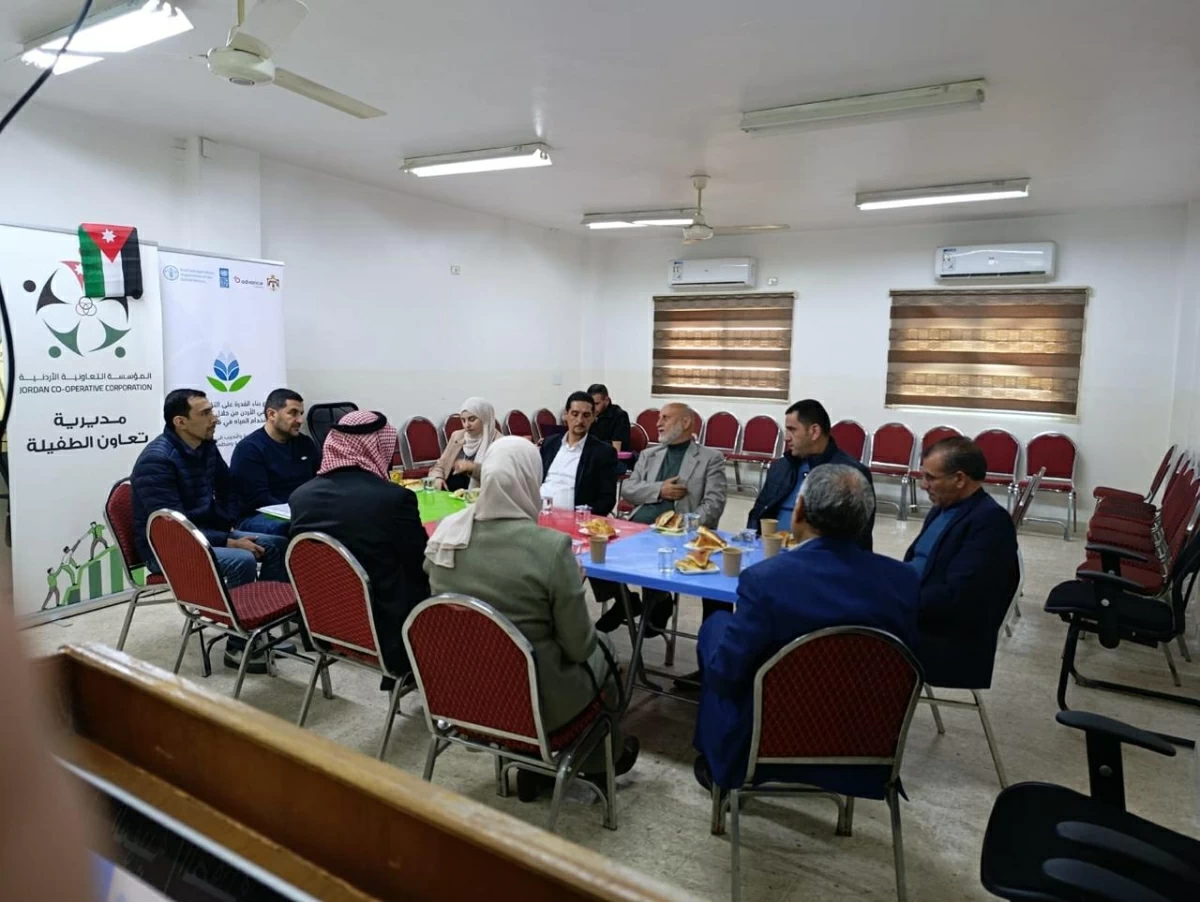
AMMAN — The second phase of consultative sessions aimed at promoting climate-smart agriculture has been launched in the Dead Sea Basin governorates of Madaba, Karak, Tafileh and Maan.
These sessions are part of the project “Building Resilience to Cope with Climate Change in Jordan through Improving Water Use Efficiency in the Agriculture Sector (BRCCJ),” funded by the Green Climate Fund and implemented by the Food and Agriculture Organisation of the United Nations (FAO), according to a FAO statement.
The project is implemented in cooperation with the ministries of water and irrigation, agriculture, and environment, and in partnership with the United Nations Development Programme (UNDP).
These sessions aim to review the outcomes of the first phase, gather feedback from associations that previously participated, and introduce newly engaged associations to the objectives of the second phase and the mechanisms of the upcoming training programme.
The consultative sessions are implemented in partnership with Advance Consulting, within an approach that emphasises stakeholder engagement and ensures the design of interventions that respond to the actual needs of associations, thereby enhancing the project’s impact on the ground.
The sessions included a presentation of the key achievements of the first phase, which involved delivering a specialised training programme in climate-smart agriculture.
Discussions also addressed challenges faced by associations, particularly in water management, costs, and marketing, in addition to identifying lessons learned.
During the second phase, participating associations will be contacted to nominate trainees based on specific criteria, ensuring the selection of participants capable of applying the acquired knowledge and strengthening the project’s impact within their local communities.
The sessions witnessed “strong” engagement from representatives of cooperative and charitable associations, who provided a range of observations and recommendations expected to help guide the design of the next phase.
This programme comes within the broader efforts of FAO and its partners to enhance the readiness of local communities to face climate change, through the development of practical, participatory training programmes built on feedback and collaboration.
The project, which falls under the executive programme of the Economic Modernisation Vision, aims to promote climate-resilient sustainable development in Jordan. More specifically, it seeks to increase the capacity of water management systems and the agricultural community to adapt to climate change.
With a total value of $33.25 million, the project targets the Dead Sea Basin governorates of Karak, Madaba, Tafileh and Maan, which are particularly vulnerable to water stress resulting from climate change.
